
Eco-Luxury Living: Sustainable Practices That Don’t Compromise on Comfort

True luxury is not about having more. It is about experiencing more, while leaving less behind.
There is a certain kind of luxury that does not announce itself. It is found in natural light filling a room, fresh mountain air drifting through an open window, thoughtfully prepared meals, and the quiet pleasure of being surrounded by nature without feeling disconnected from comfort.
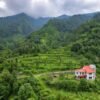
Across the Kumaon hills of Uttarakhand, this idea of luxury feels particularly relevant. In destinations such as Ramgarh, Sitla and Mukteshwar, the landscape is an integral part of the experience. Forested slopes, fruit orchards, mountain views and the slower rhythm of village life offer a different perspective on what a restorative holiday can look like.
As travellers become more conscious of their environmental footprint, the idea of eco-luxury is gaining relevance. It brings together two things that need not be opposites: a comfortable, considered stay and a more responsible approach to the environment.
But sustainable hospitality is not simply about using fewer towels or replacing plastic bottles. It involves a broader understanding of how a property uses resources, engages with its surroundings, supports local communities and helps guests experience a destination more thoughtfully.
Here is what eco-luxury living can look like in the Kumaon hills, and how sustainability can enhance a stay rather than diminish it.
1. What Does Eco-Luxury Really Mean?
Eco-luxury is often misunderstood as rustic accommodation, limited amenities or a deliberate departure from modern comforts.
In practice, it can mean something quite different.
An eco-conscious luxury stay aims to provide comfort through thoughtful design, responsible resource use and a stronger connection with its surroundings. Good bedding, welcoming interiors, attentive hospitality and reliable everyday amenities can coexist with efforts to reduce waste and conserve resources.
The distinction lies in intention.
Instead of adding unnecessary features simply because they are expected, an eco-luxury approach considers what genuinely improves the guest experience and how that experience can be delivered with less environmental impact.
This could include making the most of natural daylight, choosing durable materials, reducing single-use plastics, sourcing seasonal ingredients locally where practical, or designing outdoor spaces that respect the existing landscape.
Not every property will adopt every practice, and the term eco-luxury should not be treated as a guarantee of environmental performance. What matters is the substance behind the promise.
For travellers, the most meaningful question is not whether a property looks natural, but how thoughtfully it operates.
2. Architecture That Works With Nature
One of the most effective ways to make a stay more sustainable is to consider the relationship between a building and its surroundings.
In a mountain destination, the climate, topography, vegetation and availability of natural light all influence how a property feels throughout the day.
Thoughtful architecture can work with these conditions rather than relying entirely on artificial lighting, mechanical cooling or energy-intensive solutions.
Making Natural Light Part of the Experience
Well-positioned windows and open, light-filled living spaces can reduce the need for artificial lighting during daylight hours. They also allow guests to experience the landscape from within the property.
Imagine beginning the morning with soft sunlight entering the room, watching clouds move across a valley while enjoying breakfast, or reading in a naturally lit corner during the afternoon.
These details can make a space feel inviting without requiring additional decoration or equipment.
Designing for the Local Climate
Mountain weather changes considerably across the seasons. Insulation, ventilation, suitable glazing, shading and careful building orientation can all influence indoor comfort.
During colder months, good insulation and draught management can help retain warmth. In warmer periods, appropriate ventilation and shading may reduce the need for excessive cooling.
The most suitable approach depends on the property’s elevation, construction, exposure and local weather conditions.
Respecting the Landscape
Sustainable design also involves considering what happens beyond the building itself.
Preserving existing trees where feasible, limiting unnecessary disturbance to the land, managing rainwater responsibly and using suitable native planting can help a property sit more comfortably within its surroundings.
In the Kumaon region, where the landscape is a major part of the travel experience, these choices can make a difference both environmentally and aesthetically.
The result is a form of luxury that feels connected to its location rather than imposed upon it.
3. Water Conservation Without Compromising Comfort
Reliable hot water, clean bathrooms and comfortable showers are fundamental expectations of a quality stay. Responsible water management does not mean asking guests to sacrifice these essentials.
Instead, it begins with understanding how water is used and reducing avoidable waste.
Mountain destinations can face seasonal variations in water availability, making efficient use particularly important for homes and hospitality properties alike.
Small Changes That Make a Difference
Thoughtful water-saving measures can include:
Installing efficient taps and showerheads that maintain a comfortable experience.
Repairing leaking fixtures promptly.
Monitoring water consumption to identify unusual usage.
Using suitable systems to collect rainwater where feasible and legally appropriate.
Reusing treated wastewater for appropriate non-potable purposes where permitted.
Maintaining plumbing and storage systems to minimise losses.
For guests, a simple practice such as using water thoughtfully can contribute to a more responsible stay without changing the overall experience.
For property operators, the priority is to implement measures that suit the building, local infrastructure and applicable regulations.
A well-managed property should not have to choose between guest comfort and responsible water use. Often, better systems allow both.
4. Energy Efficiency Can Feel Like Better Hospitality
Energy conservation is another important part of sustainable accommodation.
Heating, hot water, lighting, kitchen equipment and other amenities all contribute to a property’s energy consumption. In colder mountain destinations, maintaining comfortable indoor temperatures can be particularly important.
The goal is not to make a stay less comfortable. It is to use energy more intelligently.
Practical Ways to Improve Energy Efficiency
Efficient lighting: LED lighting provides comfortable illumination while using less electricity than many conventional alternatives.
Better insulation: Reducing heat loss can help indoor spaces remain comfortable during winter and lower heating requirements.
Efficient appliances: Choosing appropriately sized, energy-efficient appliances can reduce unnecessary electricity consumption.
Smart temperature management: Where suitable, thermostatic controls and sensible heating schedules can improve comfort while avoiding excessive energy use.
Renewable energy: Solar systems may support electricity generation or water heating where site conditions, installation requirements and maintenance arrangements make them practical.
Not every solution will suit every property. Mountain weather, roof orientation, infrastructure and backup-power requirements all affect what is feasible.
For travellers, these measures are largely invisible when they work well. A comfortably warm room, dependable hot water and pleasant lighting should feel effortless.
That is the point of good sustainable design: the responsible choice should improve the experience rather than become a burden on the guest.
5. Reducing Waste Without Making a Stay Feel Restrictive
Waste management is one of the most visible aspects of responsible hospitality.
Single-use packaging, disposable toiletries, food waste and poorly managed household rubbish can place unnecessary pressure on local waste systems, especially in destinations where collection and processing infrastructure may be limited.
Reducing waste starts with decisions made before an item reaches the guest.
Less Disposable, More Thoughtful
Properties can explore alternatives such as refillable bathroom dispensers, reusable serving ware, durable storage containers and reduced packaging for supplies.
Where safe drinking water infrastructure permits, refillable water arrangements may also help reduce dependence on single-use plastic bottles.
These changes need not affect the quality of the stay. Well-maintained refillable dispensers can look just as considered as individually packaged products, while reusable tableware can contribute to a more thoughtful dining experience.
Food Waste and Responsible Purchasing
Meal planning, appropriate food storage and realistic purchasing can reduce the amount of food discarded.
Where practical, kitchens can prioritise ingredients that are in season and available from nearby suppliers. Food scraps may be composted if a suitable system exists, while other waste should be segregated and handled through appropriate local arrangements.
Guests can contribute by avoiding unnecessary food waste and using available waste-separation facilities correctly.
Sustainability does not require a long list of rules. Often, it begins with removing unnecessary waste from the experience altogether.
6. Local Food, Seasonal Ingredients and the Taste of Kumaon
Food is one of the most memorable ways to experience a destination.
In Kumaon, the region’s culinary traditions reflect its mountain environment, agricultural practices and seasonal ingredients. Local dishes and produce can provide a deeper connection to the place than a menu designed to feel identical everywhere.
When practical, sourcing ingredients from nearby farmers, producers and markets can help strengthen local supply chains and reduce the distance some ingredients travel.
Seasonal menus can also encourage kitchens to work with what is available rather than depending entirely on ingredients transported from distant locations.
A More Meaningful Dining Experience
For guests, locally inspired meals can turn an ordinary lunch or dinner into part of the holiday itself.
It might mean trying a regional preparation, learning about an unfamiliar ingredient or enjoying a simple meal made with fresh seasonal produce.
Responsible food sourcing is not always straightforward. Availability, food safety, consistent supply and the property’s operational requirements all matter. Nor does a local ingredient automatically have a lower environmental footprint in every circumstance.
The more meaningful approach is to make informed choices where possible and build relationships with local suppliers over time.
When done well, sustainable dining does not feel like a compromise. It feels more connected to the place you have travelled to experience.
7. Supporting Local Communities Is Part of Sustainable Travel
A destination is more than its scenery. It is also the people who live there, the services they provide and the traditions that give the region its character.
Responsible hospitality recognises that tourism should contribute positively to the places it depends upon.
In the Kumaon hills, this can involve employing local staff, working with nearby suppliers, engaging local guides where appropriate and helping guests discover the region beyond its most familiar viewpoints.
These relationships can support local livelihoods while creating a richer experience for visitors.
Travelling With Greater Awareness
Guests can support responsible tourism by:
Choosing local guides and services where appropriate.
Respecting private property, village customs and community spaces.
Purchasing locally made products when available.
Avoiding littering and taking care on forest and village trails.
Being considerate of noise, particularly in quieter residential areas.
Following local guidance on wildlife, fire safety and outdoor activities.
The aim is not to turn every holiday into a lesson in sustainability. It is to recognise that a good guest experience and respect for the local community can reinforce one another.
A thoughtfully hosted stay can help visitors understand a destination more deeply while ensuring that the benefits of tourism extend beyond the property itself.
8. Eco-Luxury in the Kumaon Hills: Let Nature Set the Pace
There is a particular appeal to staying in the hills that cannot be replicated by adding more amenities.
The changing light across a valley, the quiet of a forested slope, the scent of rain on the ground and the clear air of a cool morning can become the defining features of a holiday.
In places such as Ramgarh and Sitla, these experiences encourage a slower style of travel.
Rather than rushing between attractions, guests can spend a morning enjoying the view, explore the surrounding area at a comfortable pace and return for a relaxed evening.
This kind of stay can also make it easier to appreciate the value of what is already there: the landscape, natural light, local food and time away from everyday distractions.
Of course, enjoying nature does not automatically make a holiday sustainable. Travel emissions, energy use, water consumption and waste still matter. But a more deliberate approach to travel can help guests make choices that align with their priorities.
The idea is to experience the destination with care rather than treat it as a backdrop to consume.
9. How to Choose a More Sustainable Luxury Stay
For travellers who want comfort and environmental responsibility to go hand in hand, it helps to look beyond marketing language.
Here are a few useful questions to ask before booking a cottage or villa in Kumaon.
How does the property manage waste?
Look for clear information about waste segregation, reduced disposable products and appropriate disposal arrangements.
Are water and energy used thoughtfully?
Ask whether the property has implemented practical measures such as efficient lighting, water-saving fixtures or energy-management systems.
Does it work with local suppliers?
Where appropriate, locally sourced food, services and employment can help support the surrounding community.
Is the property suited to the local environment?
Consider whether the building and its operations appear responsive to the climate, terrain and surrounding landscape.
Are sustainability claims specific and transparent?
Statements about renewable energy, plastic reduction or responsible sourcing are more meaningful when supported by concrete practices rather than broad promises.
No single feature proves that a property is sustainable. A balanced assessment considers its overall operations, the local context and the evidence available.
For guests, asking these questions is a practical way to encourage more transparent hospitality.
10. The Kahaya Homes Approach to a More Thoughtful Hillside Stay
At Kahaya Homes, the appeal of a mountain escape begins with the experience of being in the hills: the surrounding landscape, the opportunity to slow down and the comfort of a private, welcoming space.
Across destinations such as Ramgarh and Sitla, a hillside stay can offer a different rhythm from everyday life, with time to enjoy the views, share meals and explore the wider Kumaon region.
Eco-luxury provides a useful way to think about how that experience can be made more thoughtful. From resource-conscious operations to an appreciation of local surroundings, the opportunity lies in considering comfort and responsibility together.
The specific environmental practices and amenities of each property may differ. Guests interested in particular features, such as solar energy, water conservation, waste management or locally sourced meals, should confirm their availability directly before booking.
Explore the Kahaya Homes collection to discover hillside stays and find a setting that suits the kind of escape you have in mind.
Luxury That Leaves Room for Nature
Perhaps the most meaningful form of luxury is the freedom to enjoy a place without needing to overwhelm it.
It is the comfort of a well-designed room, the pleasure of a good meal, the warmth of thoughtful hospitality and the experience of waking up surrounded by the landscape that brought you there.
Eco-luxury does not ask travellers to abandon these comforts. It asks property owners, operators and guests to think more carefully about how those comforts are delivered.
In the Kumaon hills, that can mean valuing natural light, using resources responsibly, supporting local communities and giving the surrounding landscape the respect it deserves.
Because the best stays are not only those that make us feel good while we are there. They are the ones that encourage us to leave with a greater appreciation for the places we visit.
Planning a mountain escape? Discover Kahaya Homes and explore the possibilities for a more considered stay in the Kumaon hills.