The Road Less Travelled Won’t Be for Long: How Improved Connectivity is Reshaping the Kumaon Hills
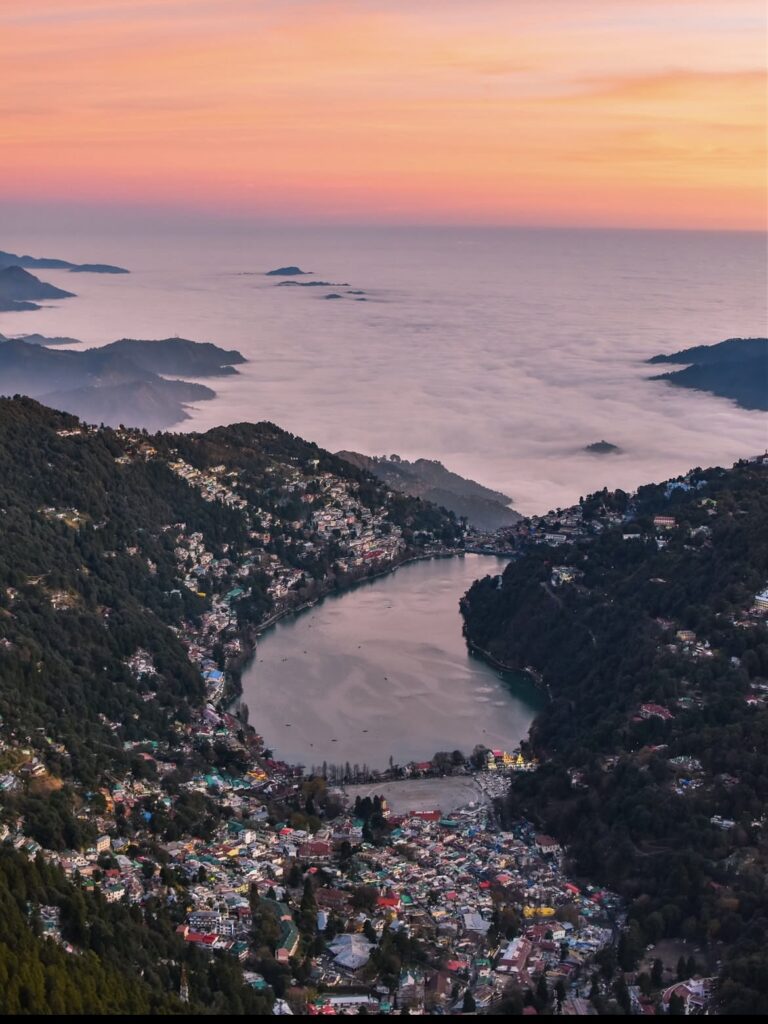
For decades, the Kumaon hills have held a special place in the imagination of travellers seeking a slower pace of life. The winding roads, pine forests, fruit orchards, lakes, and Himalayan vistas offered something increasingly rare in modern travel: the feeling of discovery.
But the road to Kumaon is changing.
Recent infrastructure developments, including the proposed Bareilly-Haldwani Greenfield Expressway, are expected to significantly reduce travel times from Delhi NCR to the foothills of Uttarakhand. Reports suggest that the new corridor could cut journey times by more than three hours, making destinations across Kumaon more accessible than ever before
While improved connectivity is undoubtedly welcome, it also raises important questions about the future of mountain tourism and how destinations such as Bhimtal, Mukteshwar, and Ramgarh can grow without losing the very qualities that make them special.
The Rise of the Weekend Traveller
The relationship between urban India and the mountains has evolved considerably over the past decade.
Where travellers once planned one or two extended holidays each year, many now prefer shorter, more frequent escapes. Improved highways, flexible work arrangements, and the desire to disconnect from city life have given rise to a strong weekend travel culture.
For residents of Delhi NCR, the Kumaon region has become increasingly attractive because it offers a balance that few destinations can match: accessibility combined with a sense of remoteness.
A Friday evening departure can now lead to a Saturday morning overlooking Bhimtal Lake, a quiet walk through the orchards of Ramgarh, or a sunrise view of the Himalayan range from Mukteshwar.
As travel becomes easier, these destinations are likely to attract not only holidaymakers but also remote workers, digital entrepreneurs, and families seeking longer stays in nature.
Why Places Like Bhimtal, Mukteshwar and Ramgarh Are Gaining Attention
Interestingly, the growing interest in Kumaon is not focused solely on the region’s most famous destinations.
Many travellers are actively looking beyond crowded tourist hubs in search of quieter experiences.
Bhimtal: Life Around the Lake
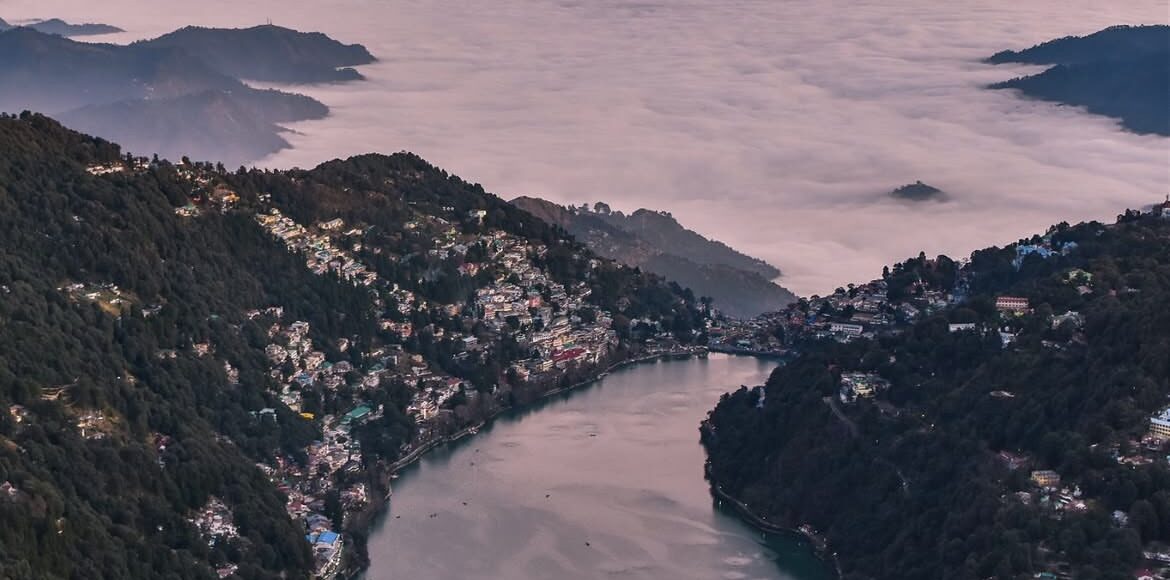
Bhimtal offers a gentler rhythm than many traditional hill stations. The lake remains the focal point of life here, surrounded by forests, walking trails, local cafés, and small communities that retain a strong connection to the landscape.
The appeal lies not in ticking attractions off an itinerary, but in slowing down-watching the changing light over the water, exploring nearby villages, or simply spending time outdoors.Kahayahomes
Mukteshwar: The Mountain Escape
Perched at a higher altitude, Mukteshwar has long attracted travellers seeking panoramic Himalayan views and cooler temperatures.
The region’s forests, fruit orchards, and open ridgelines create opportunities for hiking, birdwatching, and immersive nature experiences. Unlike many commercial hill stations, much of Mukteshwar’s charm comes from its simplicity.
Ramgarh: The Orchard Belt
Known as the “Fruit Bowl of Kumaon,” Ramgarh remains one of the region’s quieter gems. Apple, peach, plum, and apricot orchards continue to shape both the landscape and local economy.
For many visitors, Ramgarh represents a different way of travelling—one centred around seasonality, local food, and a deeper connection to place.Ramgarh
From Hotels to Experiences
The way people stay in the mountains is changing as rapidly as the way they travel.
Traditional hotels continue to play an important role, but travellers increasingly seek accommodations that feel more personal, private, and connected to their surroundings.
Across India, boutique villas, homestays, and Airbnb-style rentals have grown in popularity. This shift reflects changing traveller preferences.
Guests are looking for:
- Privacy and space.
- Personalised hospitality.
- Local experiences.
- Flexible work-friendly environments.
- Longer stays that blend leisure and work.
Families and groups, in particular, often prefer entire homes over multiple hotel rooms. Shared living spaces, private gardens, kitchens, and outdoor areas create experiences that feel more relaxed and intimate.
Remote work has further accelerated this trend. What was once a three-day holiday may now become a two-week stay, allowing visitors to integrate work, wellness, and travel in a single trip.
Growth Brings Responsibility
Improved accessibility is likely to bring economic opportunities across the Kumaon region. Increased tourism can support local businesses, create employment, and encourage investment in infrastructure.
However, growth also brings challenges that many mountain destinations are already beginning to face.
Water Scarcity
Mountain ecosystems have finite water resources. Seasonal fluctuations, increasing visitor numbers, and changing weather patterns place growing pressure on local water supplies.
Waste Management
Tourism inevitably generates waste. Without effective systems for collection, segregation, and disposal, natural landscapes can quickly become overwhelmed.
Pressure on Infrastructure
Roads, parking facilities, electricity networks, healthcare services, and public amenities often struggle to keep pace with rapid visitor growth.
Traffic Congestion
One of the primary reasons travellers seek out the hills is to escape congestion. Ironically, unmanaged tourism can recreate the very conditions people are trying to leave behind.
Environmental Degradation
Unplanned construction, deforestation, and overdevelopment can permanently alter fragile mountain ecosystems. Once lost, these landscapes are difficult – if not impossible – to restore.
The challenge facing Kumaon is not whether tourism should grow, but how it should grow.
A More Responsible Path Forward
Fortunately, there are encouraging examples of responsible tourism emerging across the region.
Thoughtful operators, local communities, and environmentally conscious travellers are increasingly recognising that sustainability is not an optional extra ,it is essential to preserving the future of the hills.
Some of the most impactful practices include:
Water Conservation
Rainwater harvesting, efficient plumbing systems, and mindful water usage can significantly reduce pressure on local resources.
Composting and Waste Segregation
Managing waste at the source helps minimise landfill burden while creating healthier local ecosystems.
Supporting Local Communities
Tourism has the greatest long-term value when local residents participate directly in its benefits through employment, entrepreneurship, and cultural exchange.
Local Sourcing
Using locally grown produce, local crafts, and regional services strengthens the surrounding economy while reducing environmental impact.
Thoughtful Development
Growth does not need to mean unchecked construction. Sensitive design, smaller-scale projects, and respect for natural topography can help preserve the character of mountain destinations.
Protecting Green Spaces
Forests, orchards, lakes, and open landscapes are not empty land waiting to be developed – they are the foundation of Kumaon’s identity.
The Future of the Hills
The new roads connecting Delhi NCR to Kumaon will undoubtedly bring more visitors to Bhimtal, Mukteshwar, Ramgarh, and the surrounding region. The road less travelled may not remain less travelled for much longer.
Yet accessibility and preservation do not have to be opposing forces.
If travellers, businesses, and local communities work together, the Kumaon hills can remain places where nature, culture, and tourism coexist in balance.
The future of mountain tourism will not be defined solely by how quickly we reach the hills, but by how thoughtfully we experience them once we arrive.